Enhancing Efficiency in Classrooms
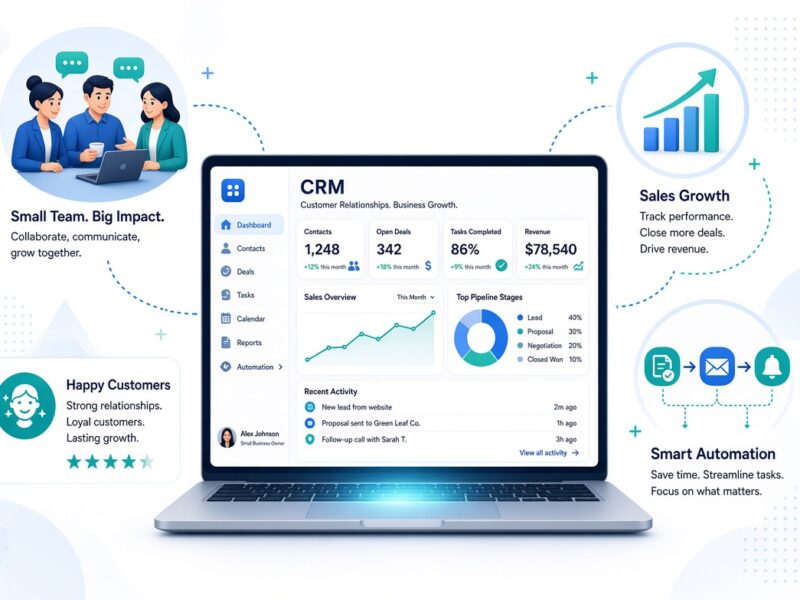
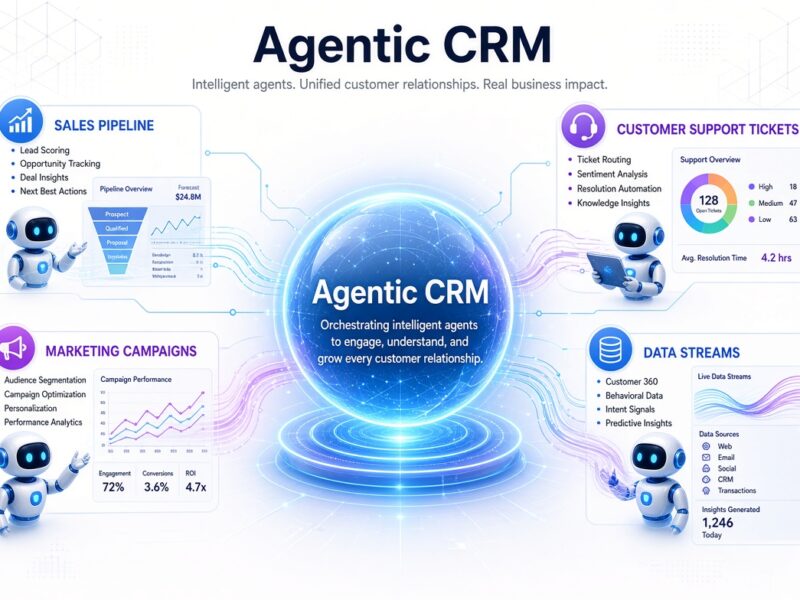
As the education sector continues to evolve, the demand for efficient management solutions has never been more pressing. Schools and universities in Spain are increasingly turning to Customer Relationship Management (CRM) software to improve operations, communication, and student engagement. This article will discuss the advantages of educational CRM software, its key features, and how it can transform the learning experience for institutions and students alike.
Why Educational CRM Software?
Boosting Administrative Efficiency
One of the key reasons educational institutions adopt CRM software is to enhance administrative efficiency. Traditional methods of managing tasks can be both time-consuming and prone to errors. CRM software automates many of these tasks, freeing up staff to focus on strategic initiatives.
- Centralized Data Management: CRM systems store all student information in one place, making it easily accessible to faculty and staff. This reduces time spent searching for data and ensures that everyone has access to the same, up-to-date information.
- Streamlined Admissions: CRM software simplifies the admissions process by automating tasks from application tracking to enrollment management. This makes the process faster and more efficient, improving the overall experience for applicants.
Enhancing Communication
Effective communication is essential in any educational setting, and CRM software offers tools that make it easier for students, staff, and administrators to stay connected.
- Automated Messaging: Many CRM systems include automated email and notification features, ensuring students receive important updates about deadlines, events, and other essential information in a timely manner.
- Personalized Communication: With CRM software, institutions can segment their student population and send targeted communications based on individual preferences and needs, fostering a more personalized educational experience.
Key Features of Educational CRM Software
- Student Lifecycle Management
CRM software helps educational institutions manage the entire student lifecycle—from recruitment through graduation and beyond.
- Recruitment and Admissions: Track prospective students from initial inquiries through the entire application process to ensure no one slips through the cracks.
- Enrollment Management: Efficiently handle student enrollments, including course selections and registration.
- Alumni Relations: Maintain strong relationships with graduates to facilitate networking and keep alumni engaged with the institution.
- Data Analytics and Reporting
Data-driven decision-making is critical for educational institutions, and CRM software provides powerful analytics and reporting tools.
- Performance Metrics: Track important key performance indicators (KPIs) such as enrollment rates, retention rates, and student satisfaction.
- Customizable Reports: Generate reports tailored to your institution’s needs to identify trends, track performance, and address areas needing improvement.
- Integration with Other Systems
Educational CRM software often integrates seamlessly with other systems, such as Learning Management Systems (LMS) and Student Information Systems (SIS).
- Streamlined Processes: Integration ensures a smooth flow of information across systems, reducing data duplication and improving accuracy.
- Enhanced Features: Connecting CRM with other platforms adds functionality, such as the ability to track student progress in real-time.
- User-Friendly Interface
A simple, intuitive interface is crucial for ensuring widespread use among faculty and staff.
- Training and Support: Most CRM providers offer training resources to help users get up to speed, ensuring a smooth transition.
- Mobile Access: Many CRM systems also offer mobile capabilities, enabling users to manage tasks and communicate with students while on the go.
Benefits of Educational CRM Software
- Improved Student Engagement
Educational CRM software enhances student engagement by offering tools for better communication and support.
- Personalized Learning: By utilizing student data, institutions can create personalized learning experiences that meet individual needs.
- Proactive Support: CRM systems allow schools to identify students who may be at risk of falling behind, providing early intervention and support.
- Increased Efficiency
By automating tasks and improving workflows, educational CRM software significantly boosts operational efficiency.
- Time Savings: Staff can dedicate less time to administrative tasks and more to student support and engagement.
- Cost-Effective Solutions: The increased efficiency leads to cost savings, allowing institutions to reallocate resources more effectively.
- Enhanced Decision-Making
With built-in data analytics, CRM software provides institutions with insights that drive informed decision-making.
- Data-Driven Strategies: Institutions can develop strategies based on reliable data, improving outcomes for both students and the organization as a whole.
- Continuous Improvement: Regular analysis of data enables institutions to identify areas for growth and implement changes as needed.
Implementing Educational CRM Software
- Assess Institutional Needs
Before selecting CRM software, it’s important to identify your institution’s specific needs and goals. Understand the areas where improvements are needed and decide which features are most important.
- Research CRM Options
There are many CRM options available, each offering different features and pricing models. Consider factors such as:
- Scalability: Ensure the software can grow with your institution.
- Customization: Look for a solution that can be tailored to meet your specific requirements.
- User Feedback: Check reviews and testimonials from other educational institutions to assess the software’s effectiveness.
- Involve Key Stakeholders
Involving faculty, administrative staff, and IT teams in the decision-making process is essential for successful implementation.
- Gather Feedback: Consult stakeholders to ensure the chosen system meets the needs of all users.
- Create a Project Team: Assemble a team to oversee the implementation process and address any challenges.
- Provide Training and Support
Once a CRM system has been selected, training users is key to ensuring successful adoption.
- Comprehensive Training: Organize training sessions to help users become familiar with the system.
- Ongoing Support: Make sure ongoing support is available for users who may have questions or encounter issues.
Conclusion
Educational CRM software is transforming the way educational institutions in Spain manage their operations, enhance communication, and engage with students. By automating administrative tasks, increasing student engagement, and providing actionable data insights, CRM systems help schools and universities operate more efficiently and effectively.
As education continues to evolve, investing in CRM software is critical for institutions that want to remain competitive and meet their students’ needs. The right CRM solution not only enhances the learning experience but also leads to better outcomes and continuous improvement. Embracing CRM software is more than just a tech upgrade—it’s a strategic move toward creating a more responsive, efficient, and student-centered educational environment.